Featured
:max_bytes(150000):strip_icc()/debtrestructuring.asp_final-a64fcb2c01704710bc55061e4304ce7d.png)
Understanding the Cost of Bankruptcy Counseling Things To Know Before You Get This
Table of Contents
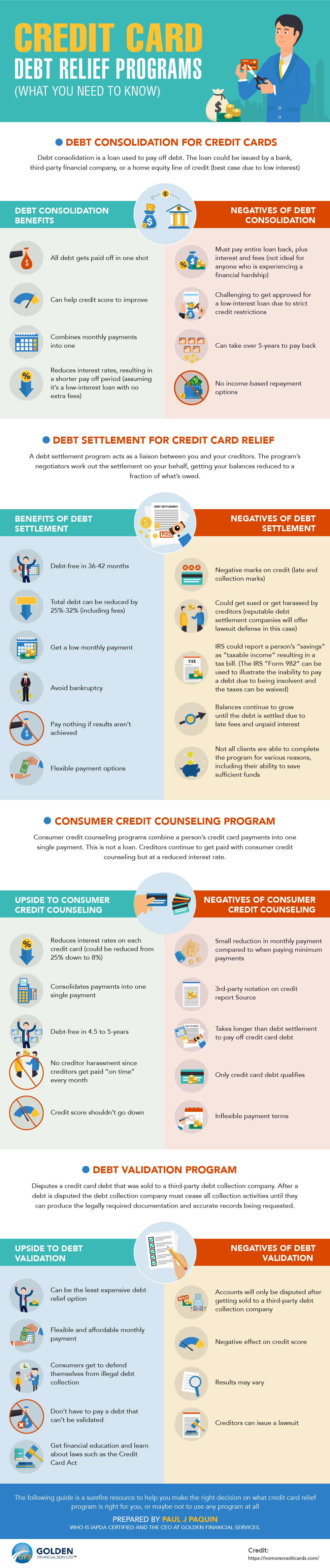
That maximizes money in the short-term, and you may have 3 to 4 years to conserve toward the negotiation quantity. Very hazardous to credit report, mostly as a result of missed repayments and a negative "resolved" mark that could remain on your credit record for approximately 7 yearsMay be only choice if other alternatives (debt consolidation, balance transfer charge card, financial debt forgiveness) aren't possibleTypically requires a fee to the 3rd celebration, which could offset some or all of the financial savings from financial obligation settlementMay assist you prevent personal bankruptcy if you have actually missed a number of paymentsNot all creditors deal with financial obligation settlement business Debt mercy might be right for you if you are experiencing an economic challenge that makes it nearly impossible to pay for your financial debt equilibriums.

With a DMP, you make one month-to-month payment to the credit history counseling company. Those funds are then distributed to lenders of your unsafe financial obligations, such as bank card and installment lendings. The company collaborates with your creditors to reduce rates of interest or waive costs, but some lenders may reject such concessions.
A financial debt combination finance combines your qualified debts into one new funding. It can aid you pay for financial obligation if you have the ability to safeguard a funding rate that's less than the ordinary price of the accounts you're settling. You should abstain from racking up debt on those newly removed accounts or your debt could expand also higher.
These cards frequently offer a 0% interest initial duration of up to 21 months. That offers you lots of time to eliminate or significantly minimize your equilibrium while making interest-free repayments. For some individuals facing overwhelming financial debt, personal bankruptcy might be the only means to stop collection process and legally fix their debts.
3 Easy Facts About Your Introduction to Debt Counseling and What to Expect Explained
You may need it if your lender or a debt collector ever before tries to collect on the financial debt in the future. The letter could prove you do not owe what the debt collection agency's records show. Yes, for the most part, the IRS takes into consideration forgiven financial obligation as gross income. When a loan provider forgives $600 or even more, they are needed to send you Type 1099-C.
Debt mercy or settlement often harms your credit score. Anytime you settle a financial debt for less than you owe, it might appear as "resolved" on your debt report and influence your credit rating for 7 years from the date of negotiation. Your credit rating can also go down considerably in the months leading to the forgiveness if you fall back on repayments.
Examine This Report on Ways Bankruptcy Counseling Safeguards Your Property
This situation typically results from underreporting earnings, not filing returns on time, or inconsistencies discovered during an Internal revenue service audit. The effects of collecting tax financial obligation are major and can consist of tax obligation liens, which offer the Internal revenue service a legal claim to your residential property as protection for the financial debt.
Higher rate of interest on available credit report. Incomes and Financial institution Accounts IRS can levy (confiscate) salaries and savings account to please the debt. Minimized income and disruption of essential financial processes. Building Seizure In extreme cases, the IRS can seize and offer building to cover the financial debt. Loss of important possessions and prospective variation.
Depression, stress and anxiety, and other psychological health issues. Social Preconception Encountering lawsuit from the internal revenue service can lug social preconception. Damage to track record and connections. Work Opportunities An inadequate credit history as a result of tire financial obligation can limit employment possibility. Problem finding or maintaining a job. Government Benefits Tax obligation debt may impact qualification for government advantages, such as Social Protection and Medicaid.
The Best Guide To Student Loan Debt Relief Pathways
The OIC takes into consideration numerous factors, consisting of the taxpayer's earnings, costs, asset equity, and capability to pay. Efficiently discussing an OIC can be complicated, needing an extensive understanding of the IRS's guidelines and a solid disagreement for why your deal straightens with your capacity to pay. It's essential to note that not all applications are approved, and the procedure needs detailed financial disclosure.
The internal revenue service analyzes your general monetary scenario, including your earnings, expenditures, property equity, and ability to pay. You need to additionally be current with all filing and settlement requirements and not remain in an open personal bankruptcy proceeding. The internal revenue service additionally considers your conformity background, examining whether you have a record of timely declaring and paying taxes in previous years.
Digital Tools Makes Debt Relief Easier for Dummies
The application process for a Deal in Compromise involves numerous in-depth actions. You should complete and send Internal revenue service Form 656, the Offer in Compromise application, and Kind 433-A (OIC), a collection info declaration for people. These forms call for extensive monetary information, consisting of information concerning your income, financial obligations, expenditures, and possessions.
Back tax obligations, which are unpaid taxes from previous years, can considerably boost your overall internal revenue service financial obligation otherwise attended to promptly. This financial debt can accumulate interest and late payment fines, making the initial amount owed much bigger over time. Failure to repay taxes can lead to the IRS taking enforcement activities, such as issuing a tax obligation lien or levy versus your residential property.
It is very important to address back taxes as soon as possible, either by paying the total owed or by preparing a settlement plan with the internal revenue service. By taking aggressive actions, you can stay clear of the buildup of additional passion and penalties, and protect against extra hostile collection actions by the internal revenue service.
One typical reason is the idea that the taxpayer can pay the full quantity either as a lump amount or through a repayment plan. The IRS also considers the taxpayer's income, expenses, property equity, and future earning potential. If these elements suggest that the taxpayer can afford to pay more than the used quantity, the internal revenue service is likely to deny the deal.
The 45-Second Trick For Is Debt Forgiveness Appropriate for Your Situation
Dealing with Internal revenue service debt can be complex and complicated. Tax professionals, such as Certified public accountants, tax obligation attorneys, or enrolled representatives, can offer important help.

Latest Posts

Your Rights Fundamentals Explained

Some Of Common False Beliefs Regarding Debt Forgiveness
The Basic Principles Of Practical Tips Once Bankruptcy